Yellow Lamps: How to Add Colour Without Overdoing It
A room can have all the furniture it needs and still feel a little flat. Sometimes the missing piece is colour, somewhere small enough that you can be a bit braver with it.
A yellow lamp is a good place to start. It gives a bedside table or shelf a point of interest in daylight, then becomes part of the room’s evening lighting. You don’t have to build a yellow room around it.
Here’s how we’d think about choosing one, from the shade of yellow to the space it needs on your table.

Start with the yellow, rather than the trend
Lemon, mustard and ochre feel quite different. A pale lemon can sit comfortably with white walls and light timber. Mustard leans deeper and earthier. A bright yellow makes a stronger contrast, especially against darker furniture.
Look at the colours you already have. A cushion, a book cover or a small detail in a print can be enough to give the lamp a connection to the room. It doesn’t need a matching set of accessories.
If you’re unsure, put something yellow where the lamp would go and leave it there for a day. A piece of fabric will do. You’ll get a better sense of the colour in your own light than you will from a perfectly styled photograph.
Yellow bedside lamps: leave room for the everyday things
Before choosing a lamp, measure the table. Then account for the things that actually live there: your phone, a glass of water, the book you’re halfway through.
The widest part of a shade matters just as much as its base. Our Mycelia lamp, for example, measures 33 cm high and 29 cm wide. That broad mushroom form has presence, but it needs more space than a narrow lamp of a similar height. On a small bedside table, mark out the width first.
A yellow bedside lamp can also work on just one side of the bed. Keep something in common with the other side, whether that’s height, a rounded shape or the warmth of the light. The two lamps don’t have to be identical.
Give the lamp some breathing room
On a sideboard, try a yellow table lamp towards one end, with a lower object nearby. Leave a little empty surface around both. When everything is the same height, even interesting pieces can get lost.
Against white or cream walls, yellow can be the main accent. With blue, green or dark timber, it becomes more of a contrast. Neither approach needs a lot of extra decoration.
Check the lamp from the doorway as well as up close. That’s often the view you’ll see most. A shape that looks lovely in a close-up can disappear among books and plants if it has nowhere to stand out.

A yellow shade and yellow light are different things
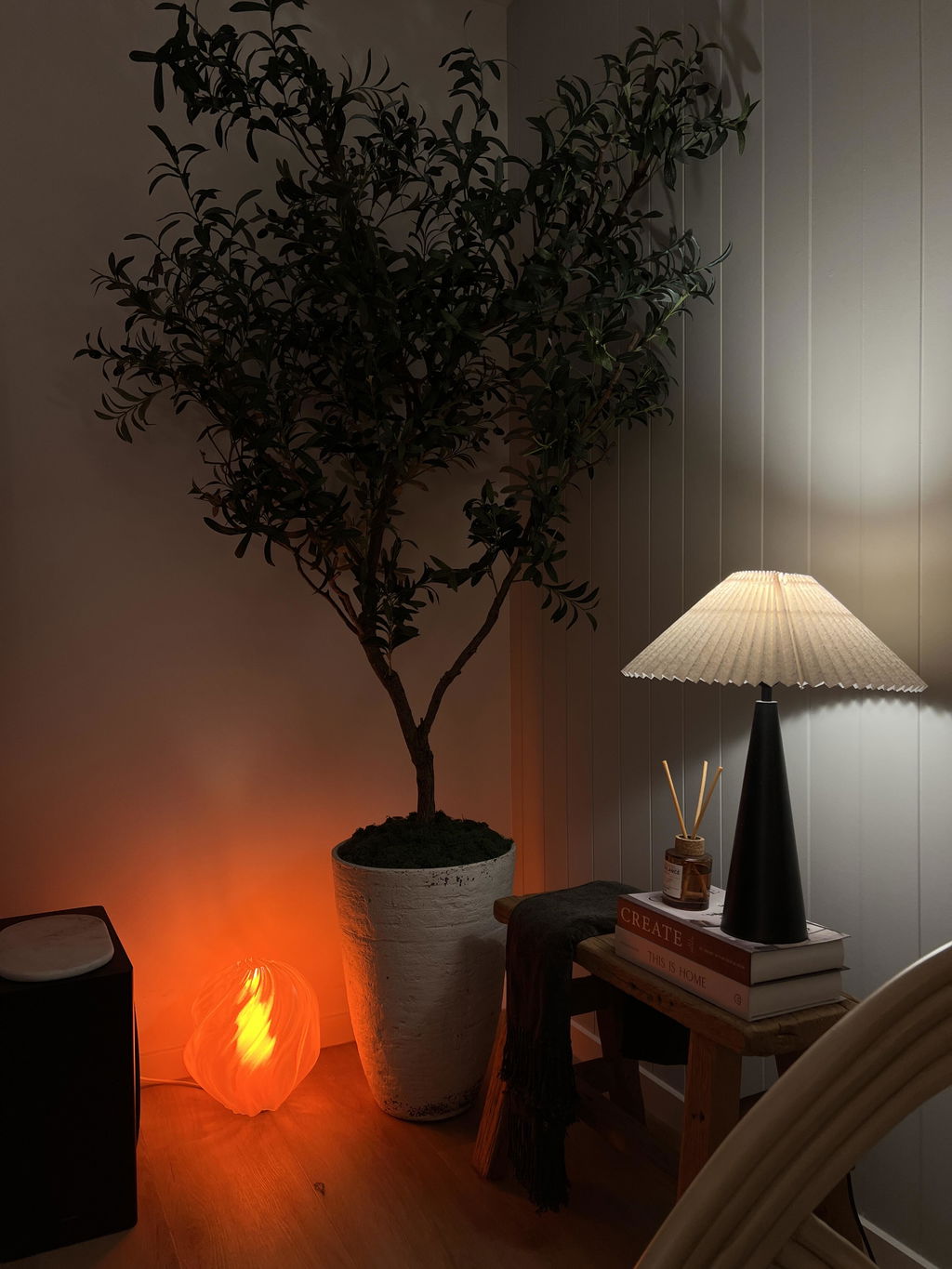
The colour of a lamp’s shade isn’t the same as the colour temperature of its bulb. Both affect what you see, and a coloured shade can change how the light looks once it passes through.
If you want an evening glow, look at photographs of the lamp switched on as well as off. If you want to read beside it, check whether it puts enough light onto the page. A lamp chosen for atmosphere may need a separate reading light alongside it.
Follow the bulb guidance for the particular lamp. Don’t assume that a brighter or hotter bulb is suitable simply because it fits the holder.
Our take: Lemon Mycelia
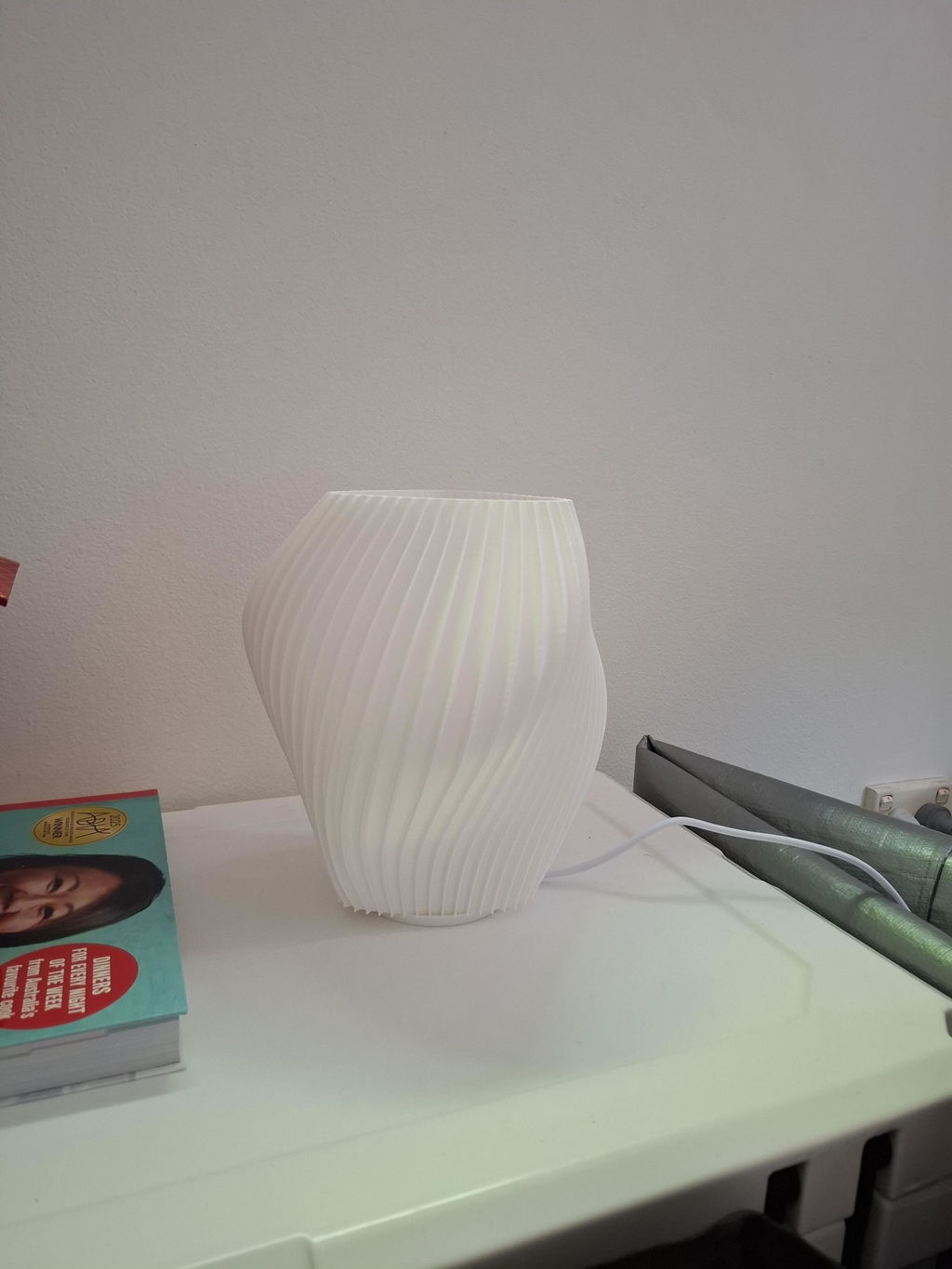
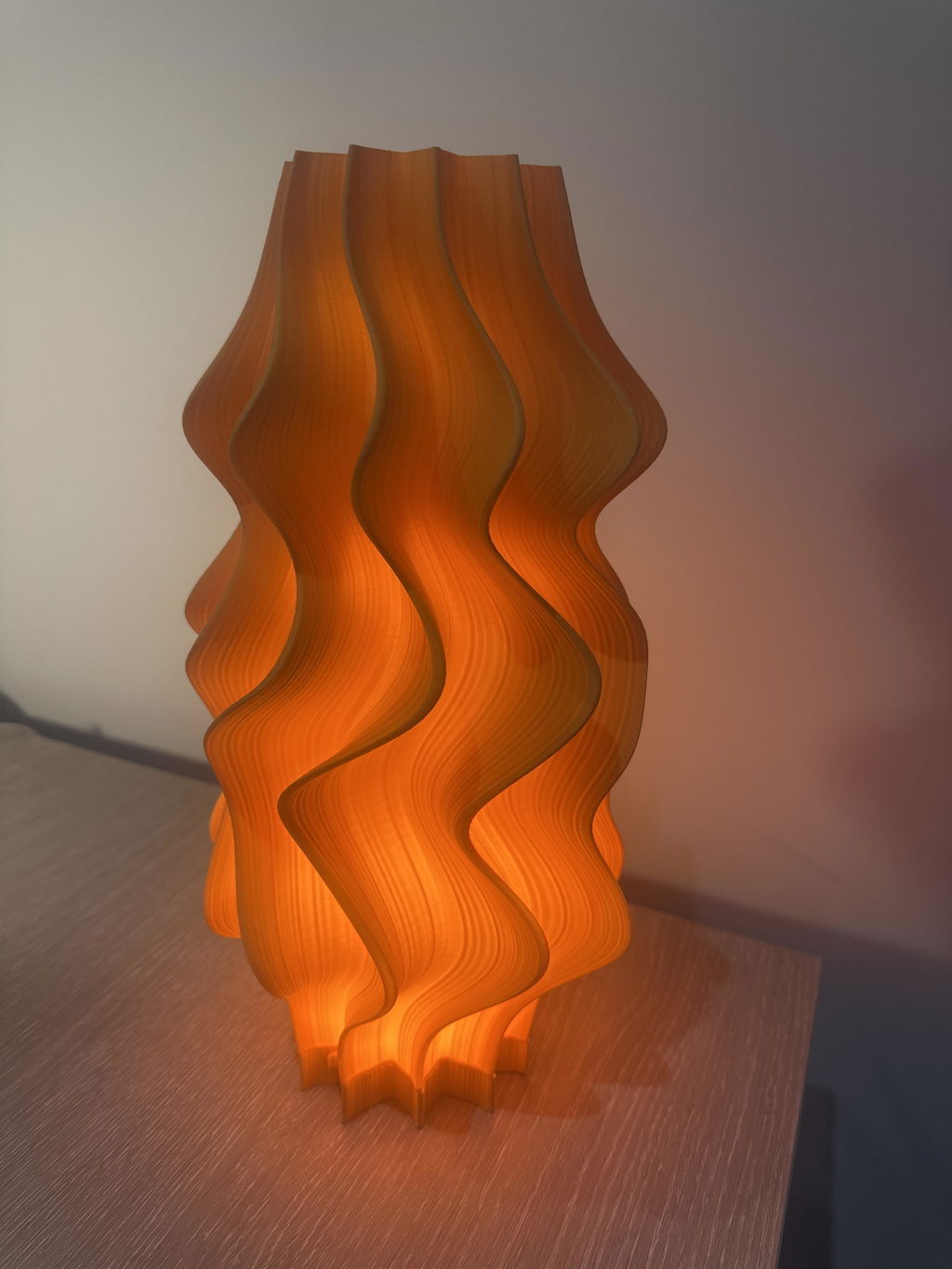
At Namami Studio, we design and make our lamps in Melbourne. Mycelia in Lemon combines a yellow finish with flowing ribs inspired by the gills beneath a mushroom cap. The shape gives the colour something to move across, with shadows between the ribs when the lamp is off.
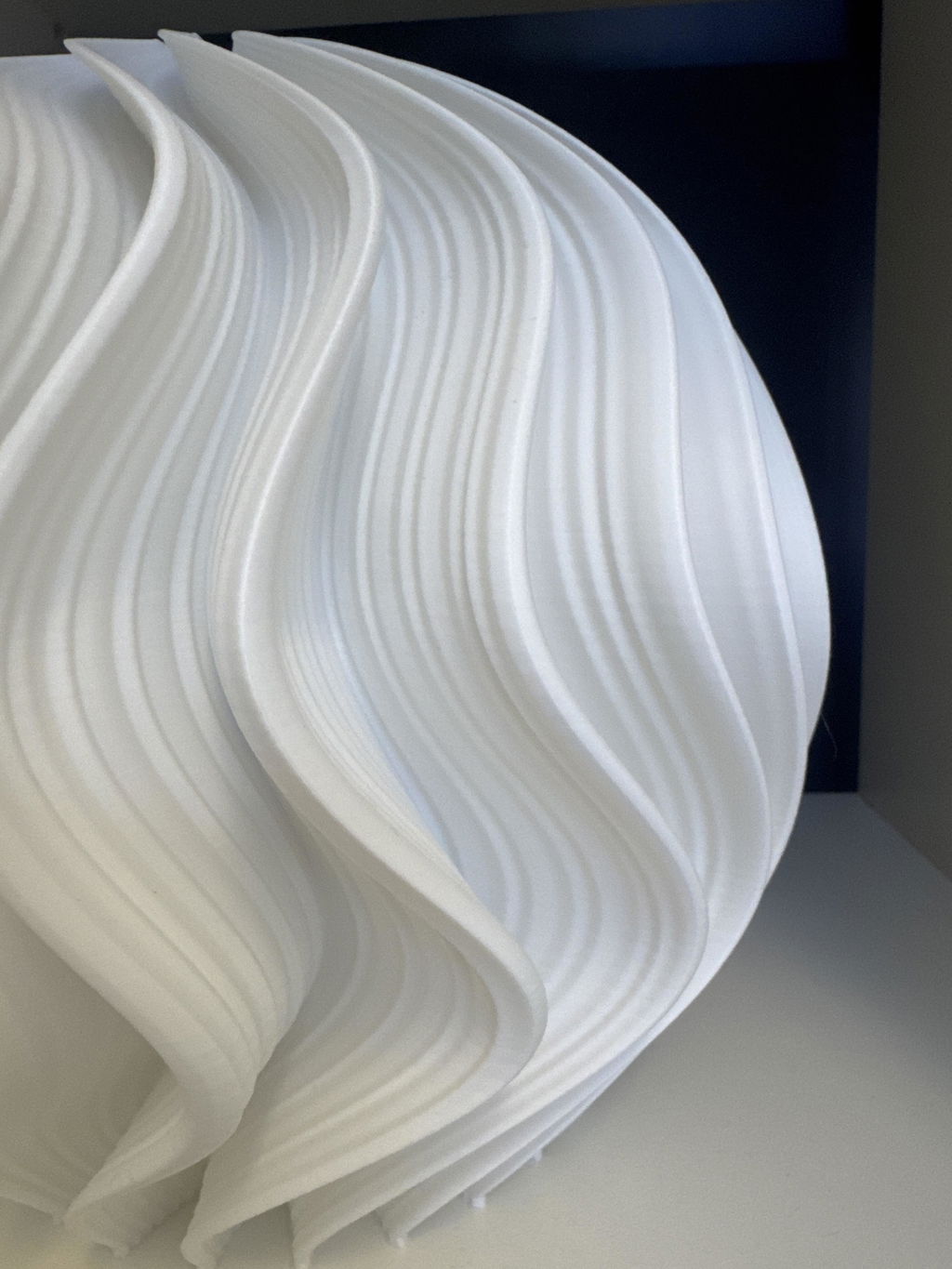
The shade is made from PLA bioplastic, a plastic derived from plant-based feedstocks. It isn’t fabric or ceramic. Its fine printed layers are part of the surface, so it’s worth looking at the close-up photographs as well as the room images.
It’s a piece we’d consider for a sideboard, a generous bedside table or a shelf with enough clearance above it. Check the dimensions, current colour options and inclusions on the product page before ordering.
Choose something you’ll enjoy in daylight too
Yellow lamps are visible objects long before you switch them on. If you like the colour and silhouette in your room during the day, you’ve already done a useful part of the choosing.
For more shapes and finishes, explore our table lamps. Our mushroom lamp guide takes a closer look at size and form, while our guide to sculptural lamps covers other ways to bring character into a room.